Furnishing the bedroom: the luxury of tailor-made rest

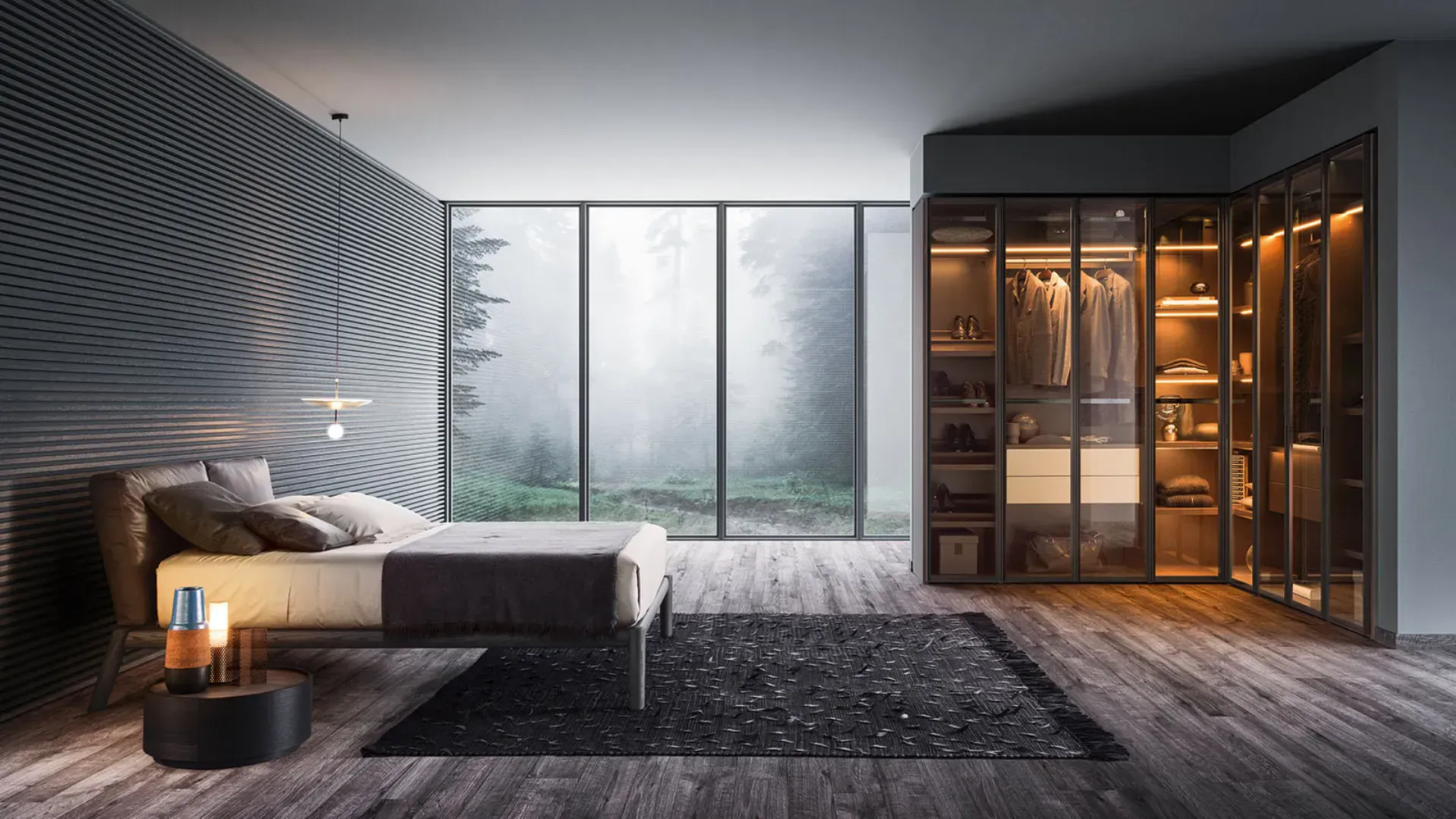
Designing the sleeping area: balance between spaces, functions, and comfort
When space allows, screens, wood paneling, or storage elements can further define small areas dedicated to dressing, reading, or personal care. The team of interior designers at Rusconi Arredamenti guides the client through the custom design of the sleeping area, studying layout, furniture dimensions, storage needs, materials, and finishes. The goal is to create a bedroom that is not only visually appealing but built around the habits of those who live in it: an intimate, functional, and naturally comfortable space.
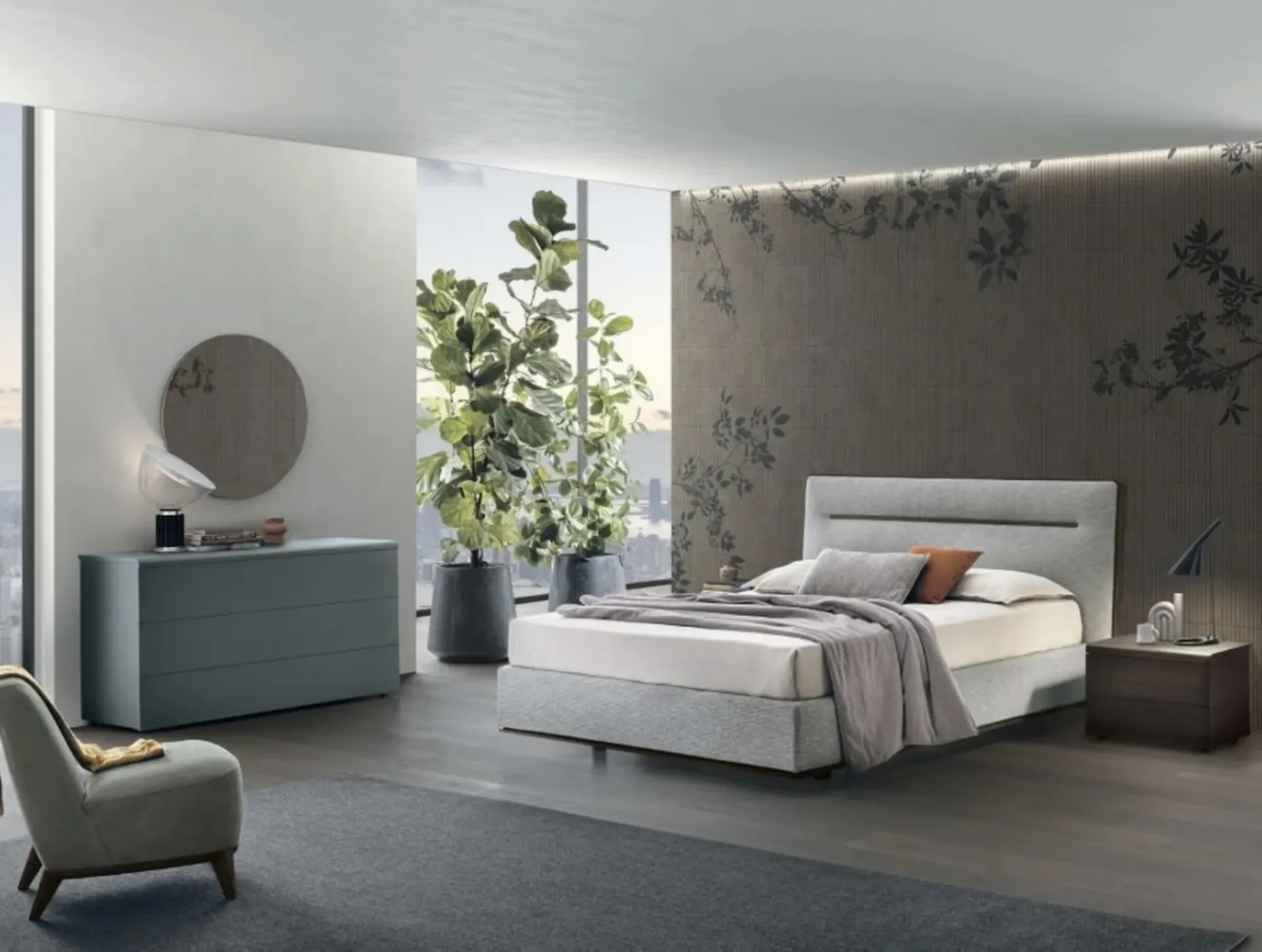
Choice of colors and materials in rest design
The bedroom requires a different chromatic sensitivity compared to the more convivial areas of the house. Here colors and materials must contribute to creating a sense of calm, without necessarily translating into a neutral and impersonal palette. Beige, taupe, and earth tones remain a sophisticated base, but they can be complemented by sage green, forest green, desaturated blues, terracotta, and dusty nuances. Color can focus on the headboard wall or enter the room through fabrics, accessories, and details, building deeper and more personal layers.
On the front of materials, there is a search for tactility. Woods with prominent grain, bouclé fabrics, linen, wool, velvet, and textured surfaces contribute to making the environment warmer. The combination of different textures also allows for creating visual richness even when choosing a monochromatic palette. It is in the balance between these elements that design consultancy makes a difference. The interior designers at Rusconi Arredamenti guide the client in selecting colors, materials, and finishes, building a coordinated palette with the rest of the home while capable of giving the night zone its own identity. The result does not simply follow a trend: it interprets personal taste and translates it into an environment dedicated to well-being.
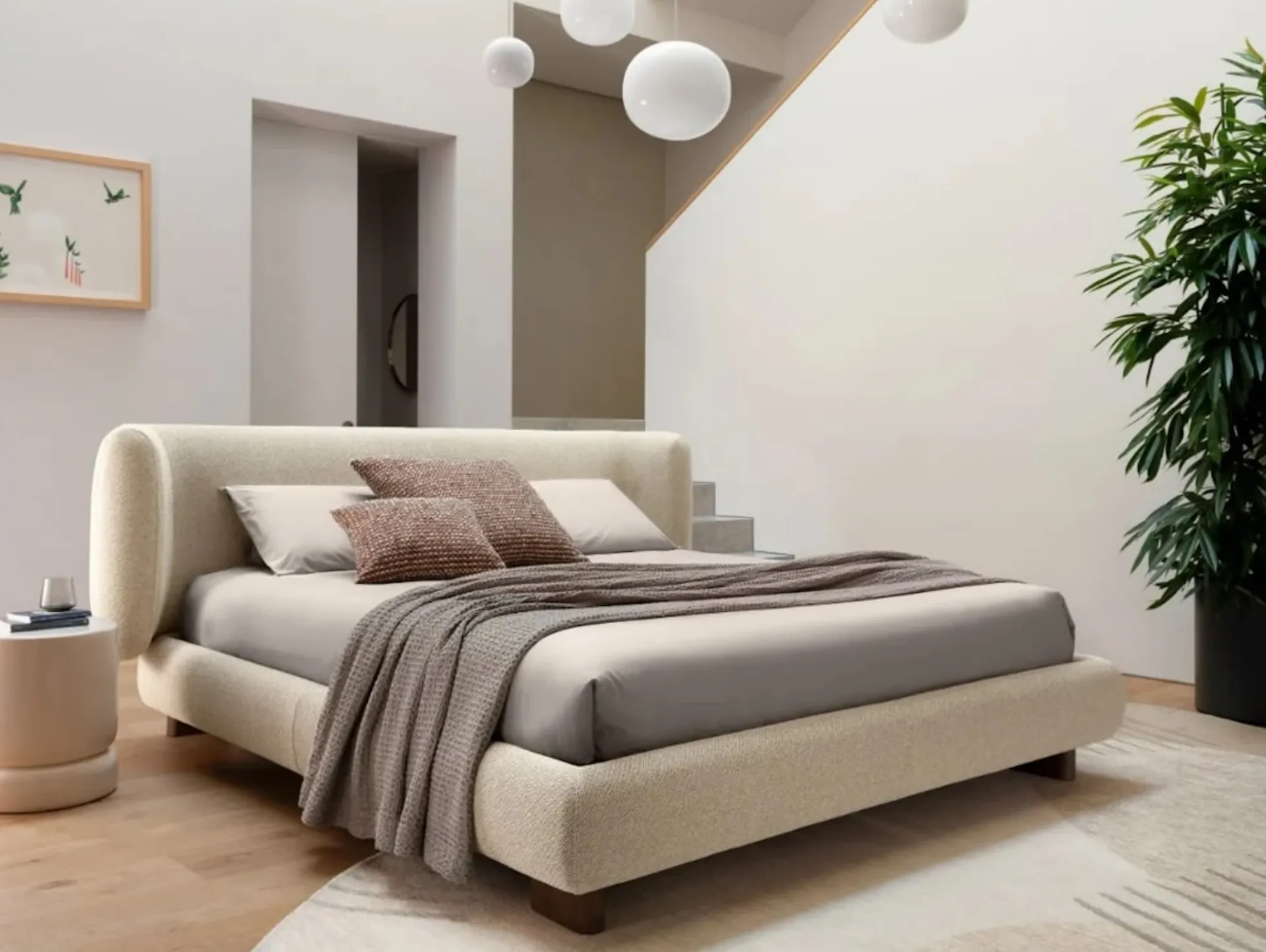
Bed and Headboard: the focal point of the room
If there is an element capable of immediately defining the character of the room, it is the bed. Size, proportions, upholstery, and position influence the entire composition, while the headboard increasingly takes on an architectural role, going beyond the traditional boundaries of the bed. Contemporary trends favor generous, enveloping shapes, soft padding, and fabrics that introduce a tactile component into the space. Alongside upholstered headboards, there is room for wooden solutions, decorative paneling, and compositions that extend across the entire wall, integrating nightstands, lighting, and small storage niches.
The wall behind the bed can thus become the true focal point of the room. Wainscoting, textured wallpaper, or a headboard created with coordinated panels allows you to build depth without overloading the space. The goal is to create a balanced composition in which the room's centerpiece is also synonymous with everyday comfort.
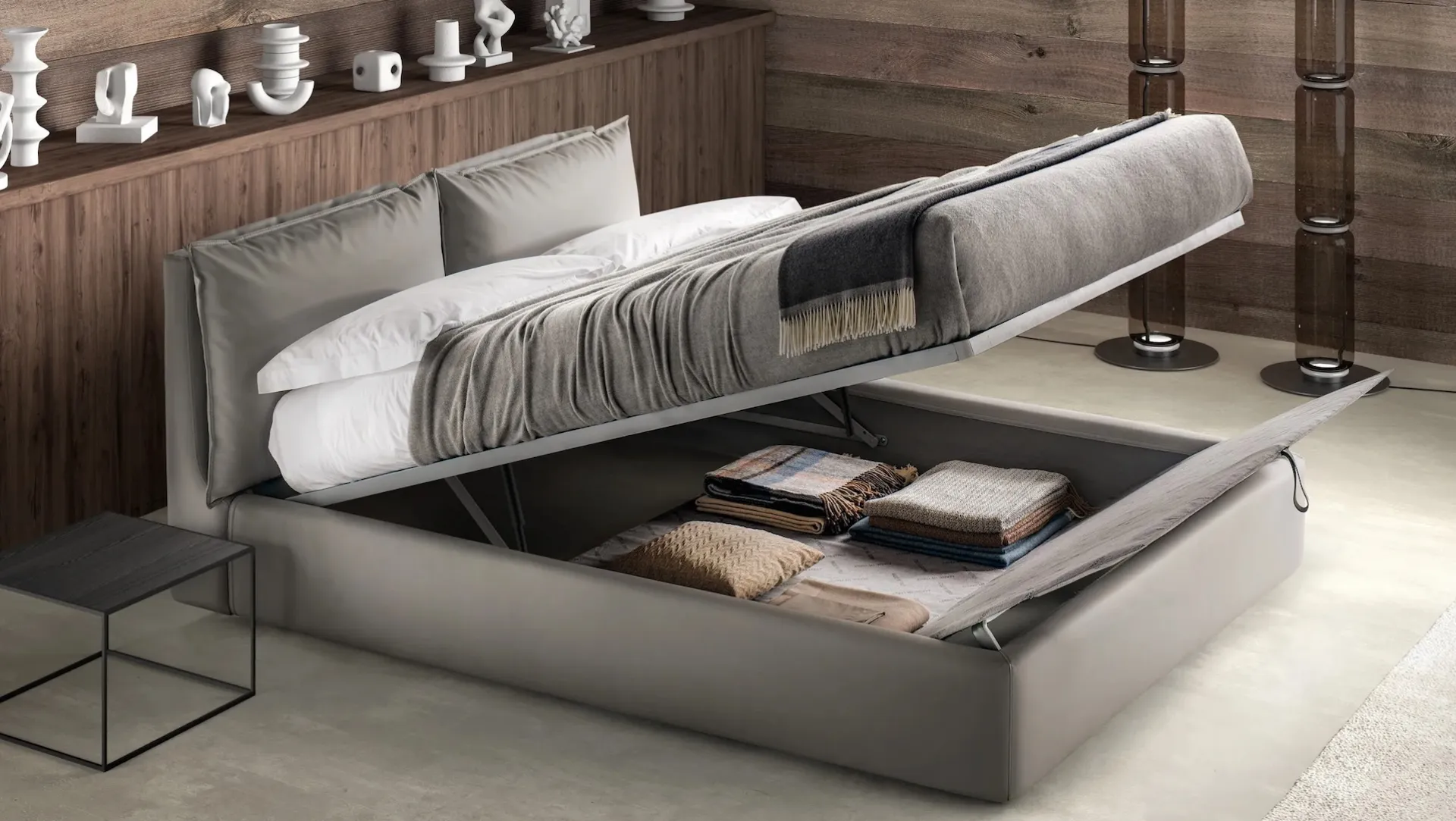
Optimize small spaces without sacrificing style
A compact bedroom works when proportions, pathways, and storage capacity are designed together. Sometimes a wardrobe built on the most suitable wall or a multifunctional headboard can solve needs that numerous small pieces of furniture would only make more evident. With the advice of the Rusconi Arredamenti team, even the most limited spaces can be studied centimeter by centimeter. From the arrangement of furniture to the choice of wardrobe, from the bed to the finishes, every element is placed within an overall vision. Because the luxury of the contemporary sleeping area does not depend on size, but on the possibility of having a space designed around one's own way of living and resting.